
Plan your project · Polaris Custom Awards
Custom Deal Marker Process, Timeline and Budget Guide
What happens after you reach out? How long will it take? What should you budget? Here is a practical guide to taking a custom deal marker from the first conversation to the finished piece.
You do not need a finished design to begin. Start with the transaction or milestone, an approximate quantity, a target delivery date and a budget range. We will help find the right idea and the right way to make it.
01 / Timing
Plan backward from the day you need the pieces.
These are planning guidelines, not a guaranteed delivery schedule. Complex sculptural work, custom tooling, revisions and physical sample shipments can add time. We confirm a project-specific schedule based on the design, quantity and destination.
- 1Brief & concepts
Share the deal, quantity, deadline and budget. Initial concepts typically follow within 24–48 hours; research-intensive requests may take longer.
- 2Refine & approve
Review the design and pricing together. Finalize text, logos, dimensions and specifications. The length of this stage depends on revisions and approvals.
- 3Prototype & produce
We make and inspect the first piece before authorizing the full factory run. Allow approximately 3–4 weeks for this combined stage on many projects.
- 4Pack & deliver
Shipping time is additional. Discuss presentation packaging, delivery locations and individual recipient shipments at the start.
Project information → Concept → Design approval → Prototype → Quality review → Production → Delivery
Start before the closing.
A working draft is enough to begin. Early planning gives you time to explore ideas and reach internal agreement. Confidential projects can begin with a code name and limited information until the transaction is public.
Have a fixed deadline?
Tell us the in-hand date at the first conversation. Rush production is often possible, but the options depend on the physical requirements of the design and the time available.
02 / From artwork to object
A real checkpoint before the full production run.
Concept development
We look for what makes the transaction distinctive: the companies, assets, products, architecture, geography or story behind the deal. Concepts are developed with materials, manufacturing, budget and timing in mind.
A strong idea might become a simple crystal piece, a layered construction or a fully sculptural object. The right approach is the one that represents the achievement well.
Prototype & quality review
Every factory-produced custom project goes through prototype verification before full production. We check the physical piece against the approved artwork, including proportions, materials, color, decoration, finish, alignment, assembly and stability.
Client review may be by photograph, video or an in-hand sample, depending on the project. Internal review still takes place when a separate client review is unnecessary. Once approved, the prototype provides the standard for the production run.
03 / Budget
Three useful starting points for your budget.
Every project is custom quoted. These per-piece ranges help you plan a direction before the details are settled. Actual pricing varies with quantity, size, materials, complexity and customization.
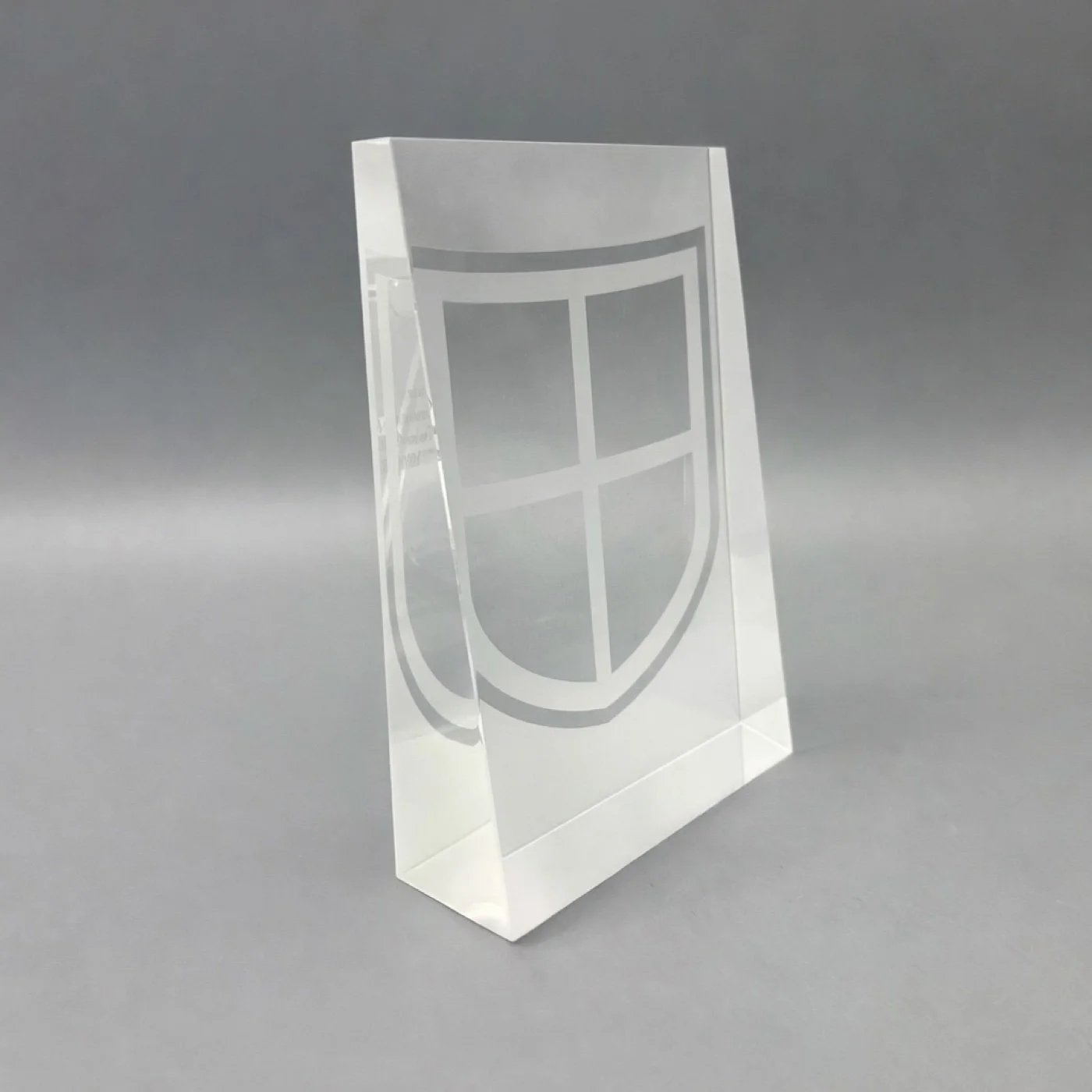
Classic
$80–$150 / pieceClean forms, carefully arranged deal information and printed or etched imagery. A clear piece can make a strong statement without elaborate construction.
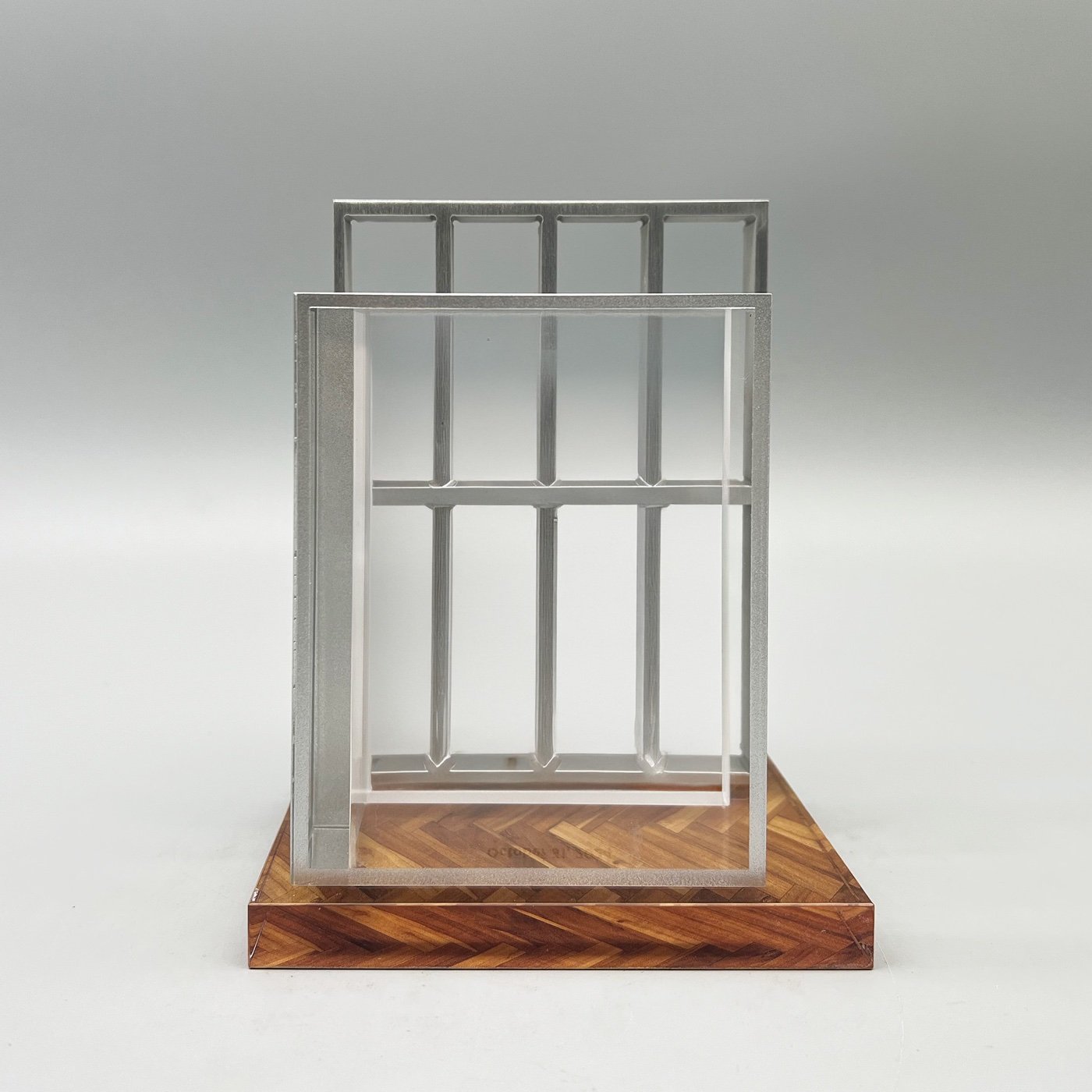
Dimensional / constructed
$150–$225 / pieceLayered forms, assembled components and mixed materials create depth and a stronger sense of place or structure.
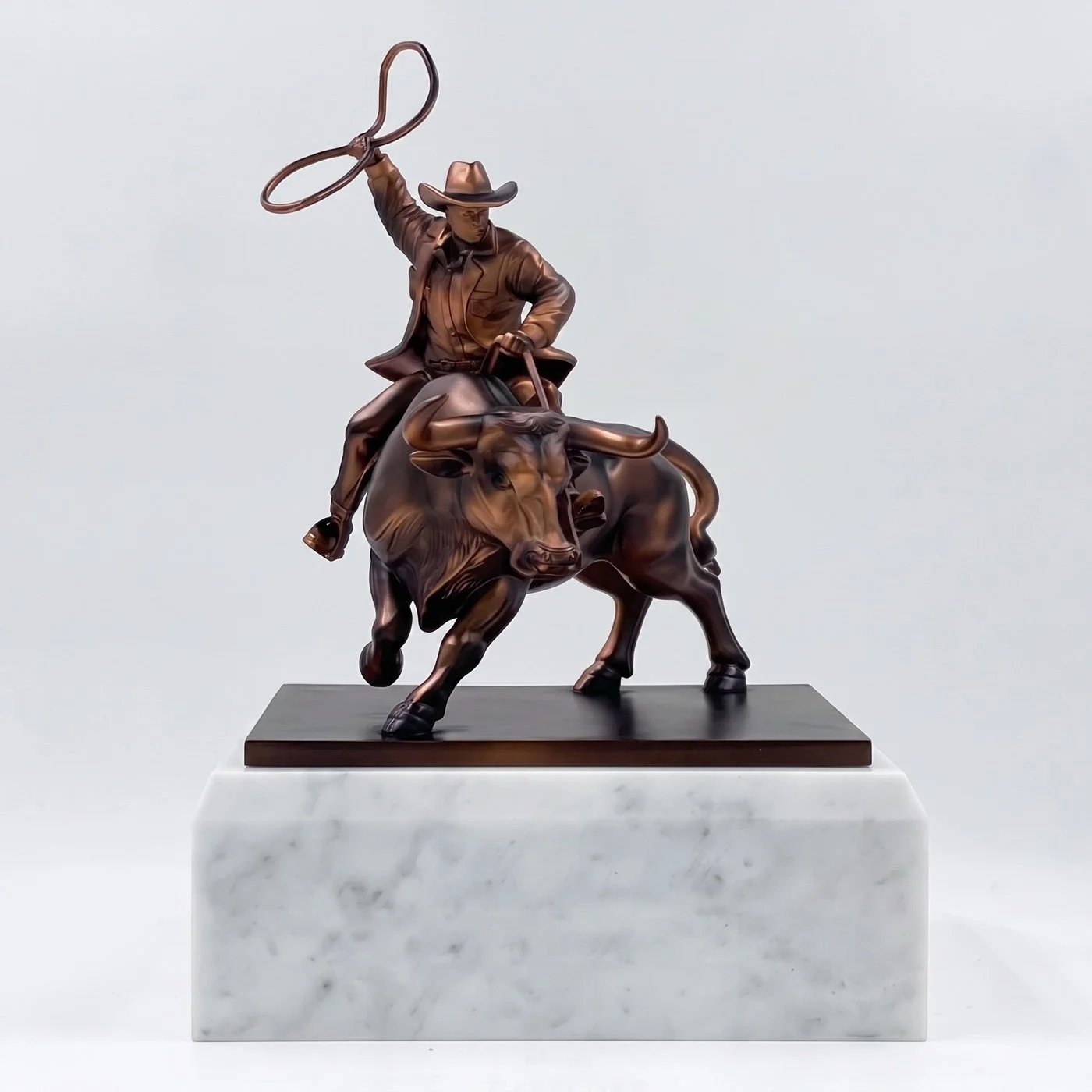
Fully dimensional / sculptural
$200–$300+ / pieceCustom models and three-dimensional objects bring products, buildings or other meaningful forms into the design. Detailed modeling and finishing can increase cost.
Portfolio examples illustrate construction styles. The ranges are general planning guidance, not quotes for the exact pieces shown. Unusually complex designs can exceed these ranges.
Custom tooling, molds and development can increase setup costs. Ask for the complete project estimate, including the quantity, setup, packaging requirements and delivery plan.
04 / Making choices
What moves the price?
Quantity & setup
Development and setup costs exist even for a small order. More pieces can spread those costs across a larger quantity. Molds, fixtures, machining, production files and print setup depend on how the piece is made.
Materials & construction
Crystal, Lucite, resin, metal, wood and mixed materials each have different production requirements. Material alone does not determine price: a complex Lucite assembly can cost more than a straightforward resin piece.
Size, detail & finish
Larger pieces require more material and may cost more to pack and ship. Intricate shapes, multiple print areas, engraving, painting, metallic finishes and hand assembly add production work.
Packaging & delivery
Presentation packaging, individual shipments and a fixed event date should be discussed early. They affect the overall budget and the schedule, even when the design itself is straightforward.
Begin with the idea and the practical requirements. If a direction exceeds the budget, we can often adjust size, materials or construction while preserving its central idea. More elaborate does not automatically mean more meaningful.
05 / Common questions
A few details worth settling early.
How long does a custom deal marker take?
Initial concepts typically take 24–48 hours after we receive the basic information. Design revisions and approvals come next. Many projects then need approximately 3–4 weeks for prototyping and production, with shipping additional. Complex work and additional review can require more time; we confirm the schedule for your project.
How much should we budget?
Use $80–$150 per piece for classic designs, $150–$225 for dimensional / constructed work, and $200–$300+ for fully dimensional / sculptural work as initial planning ranges. Setup starts around $300 per order; shipping is separate. We provide a custom quote for the actual design and quantity.
Do we need to approve a physical prototype?
Not always. A physical sample can be valuable for complex work or important material and finish decisions. Photographs or video may be sufficient on other projects. Polaris still reviews the prototype internally before authorizing the full factory run.
Can we begin while the transaction is confidential?
Yes. We can begin with a code name and limited information, then refine the artwork as details become available. Starting early gives you more options for design and production.
Can you work with a rush deadline?
Often, yes. Share the required in-hand date and destination before choosing the design. We will recommend feasible approaches based on the production steps and time available.
Is there a minimum order?
Practical minimum quantities vary with the material and manufacturing method. Some projects can be made as a single piece; others make more economic sense at higher quantities. Small orders carry more setup cost per piece. We will explain the options for your project.
Ready when you are
Start with what you have.
Send us the transaction or milestone, approximate quantity, target delivery date and budget, plus any draft deal text, logos or reference images. You do not need to have the design or material figured out.
See the complete getting-started checklist
Start a Project Conversation →