
The Complete Guide to Deal Toys
This guide explains what deal toys are, who receives them, how they are designed and made, what they cost, and how long the process typically takes.
If you’re ready to start a project now, contact us here. For more information, see our Custom Deal Toys page for quotes and examples.

In finance, “deal toy” is the term most people know. You’ll hear it at closing dinners, see it on pitch decks, and find it throughout the industry. We use the term too, although we often think of these pieces as deal markers because their purpose is to mark something worth remembering.
Done well, a deal toy is more than a record of a transaction. It becomes a tangible reminder of the work, relationships and achievement behind the deal.
Whether you’re ordering your first or your fiftieth, this guide explains what deal toys are, who receives them, how they’re designed and made, what they cost, and what to expect from concept through delivery.
What is a Deal Toy?
A deal toy (also called a financial tombstone) is a custom, physical piece created to commemorate a specific business milestone. Common use cases include:
M&A closings
IPOs / SPAC listings
PE / VC fundraises and credit deals
Real estate transactions
Recapitalizations and restructurings
Most deal toys include key transaction information, sometimes referred to as the “tombstone” text.
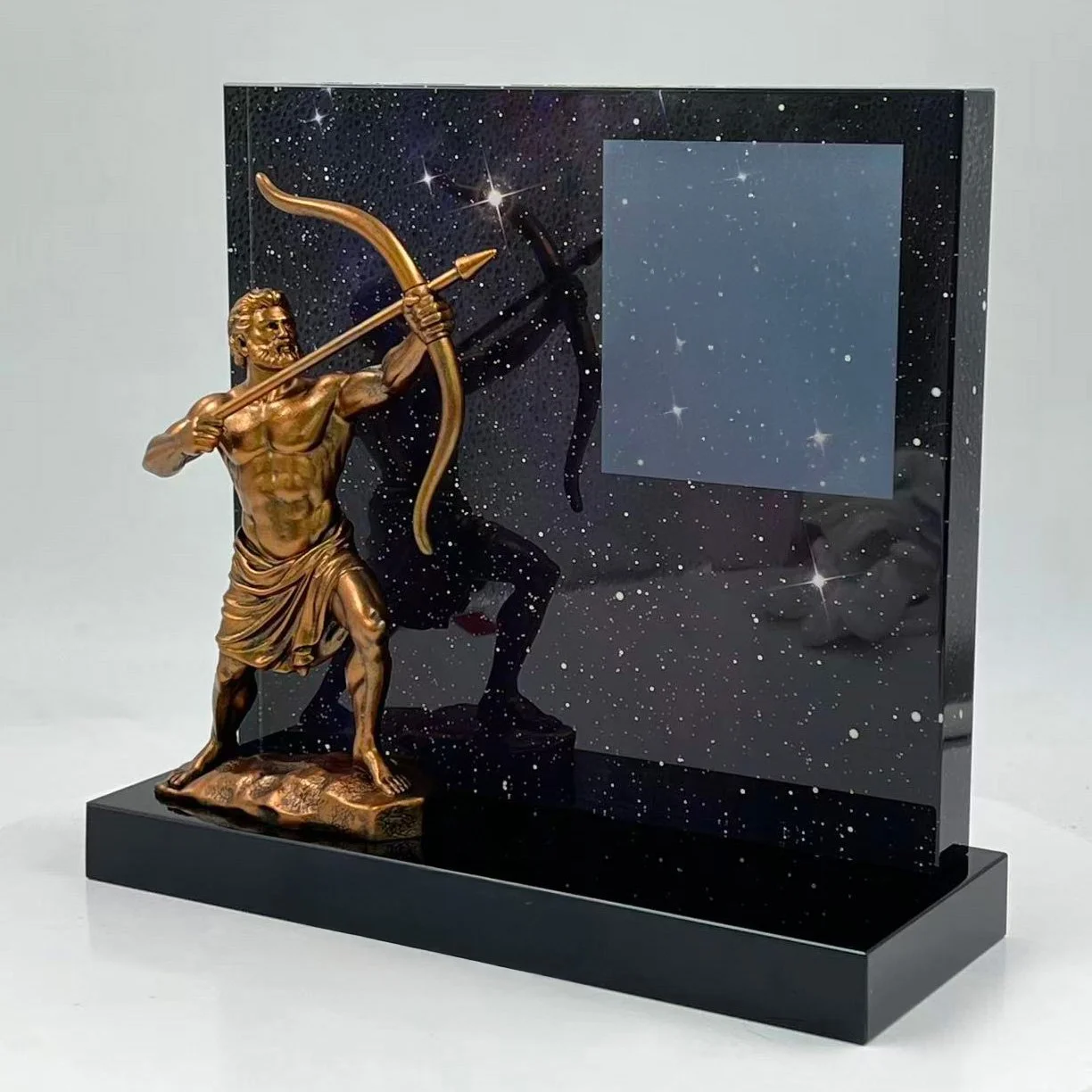
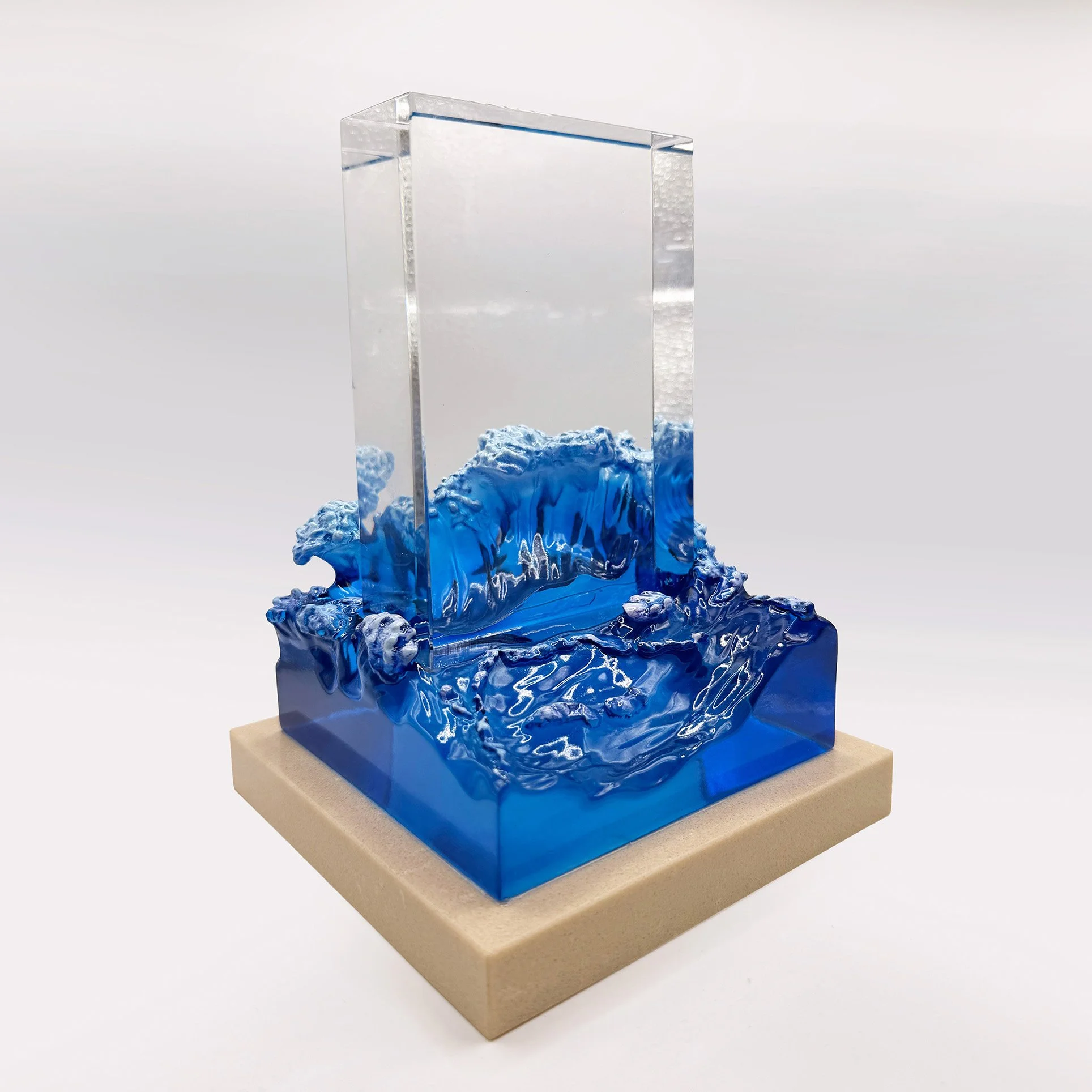
The most memorable pieces go further, using design, materials and symbolism to reflect something specific about the transaction, company, asset or people involved.
For additional industry insights, terminology and commentary, visit Deal Toy Expert
Deal Toy Design: From Simple to Sculptural
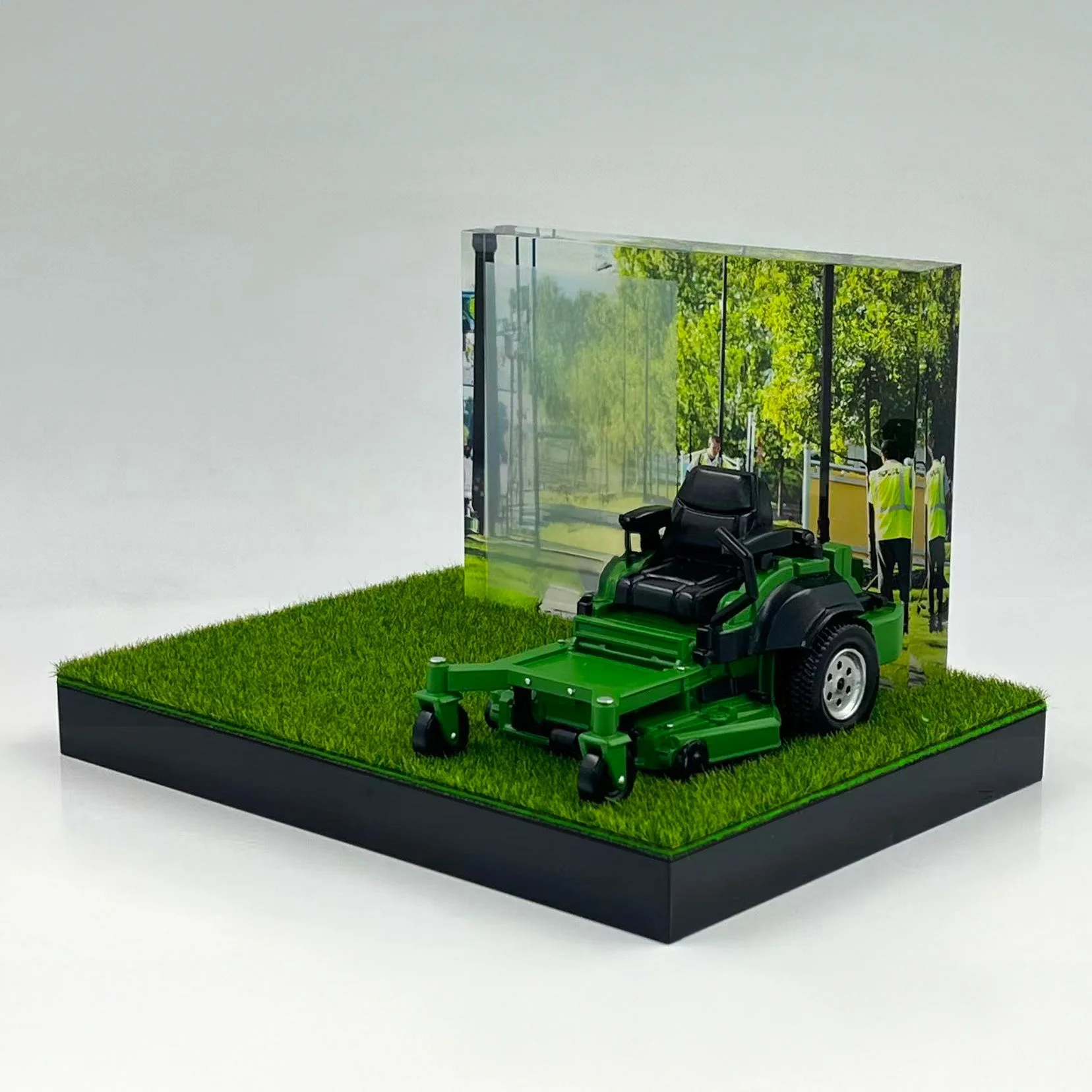
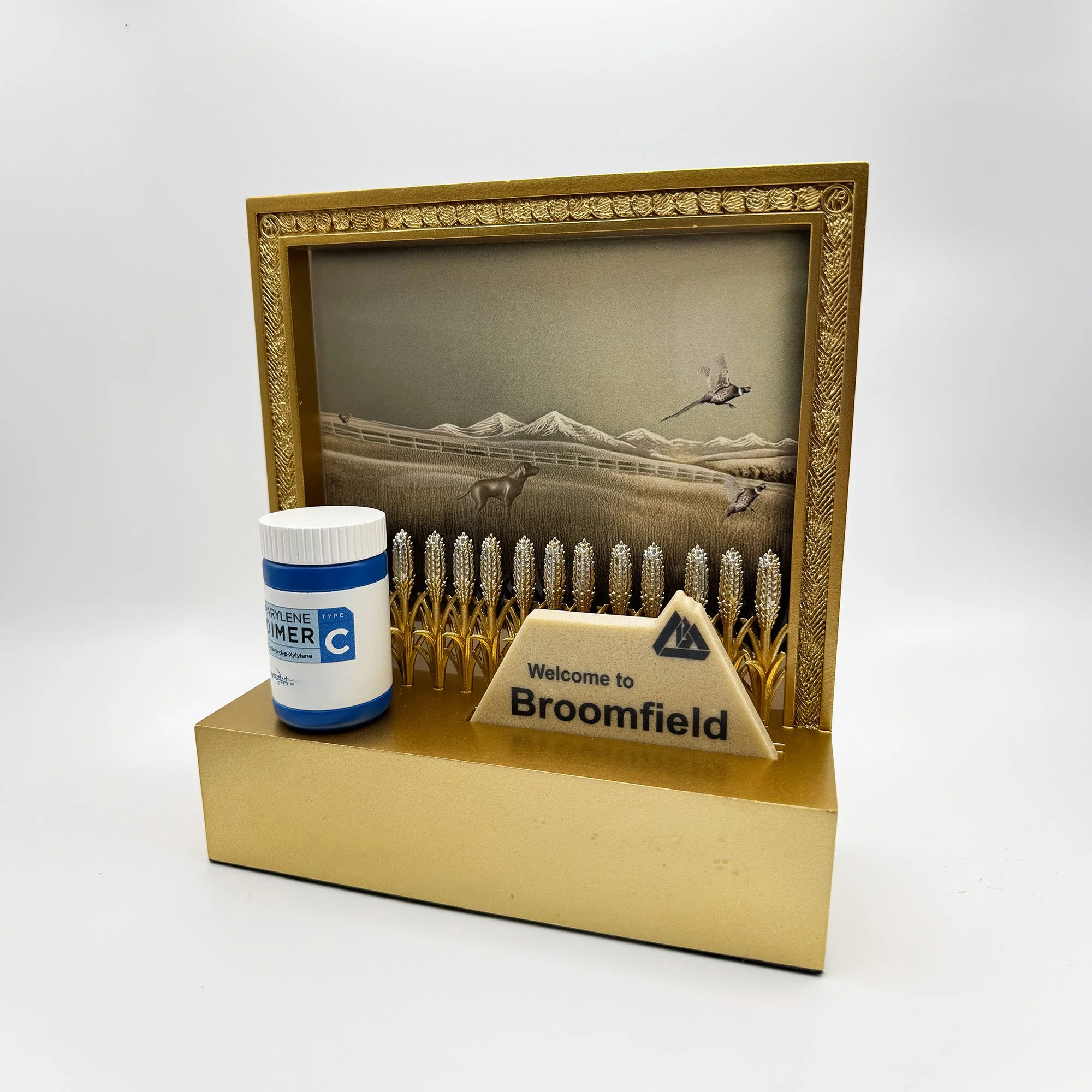
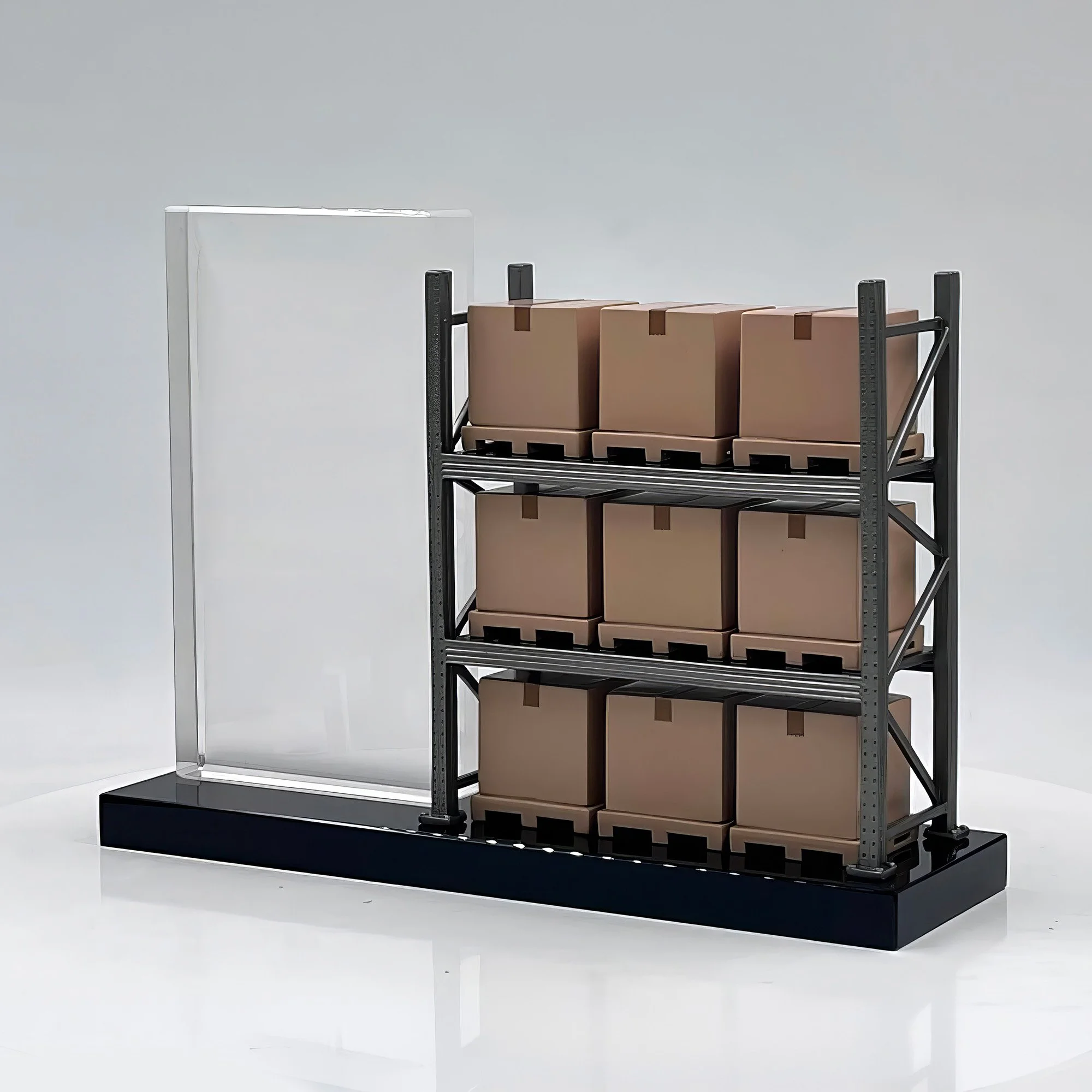
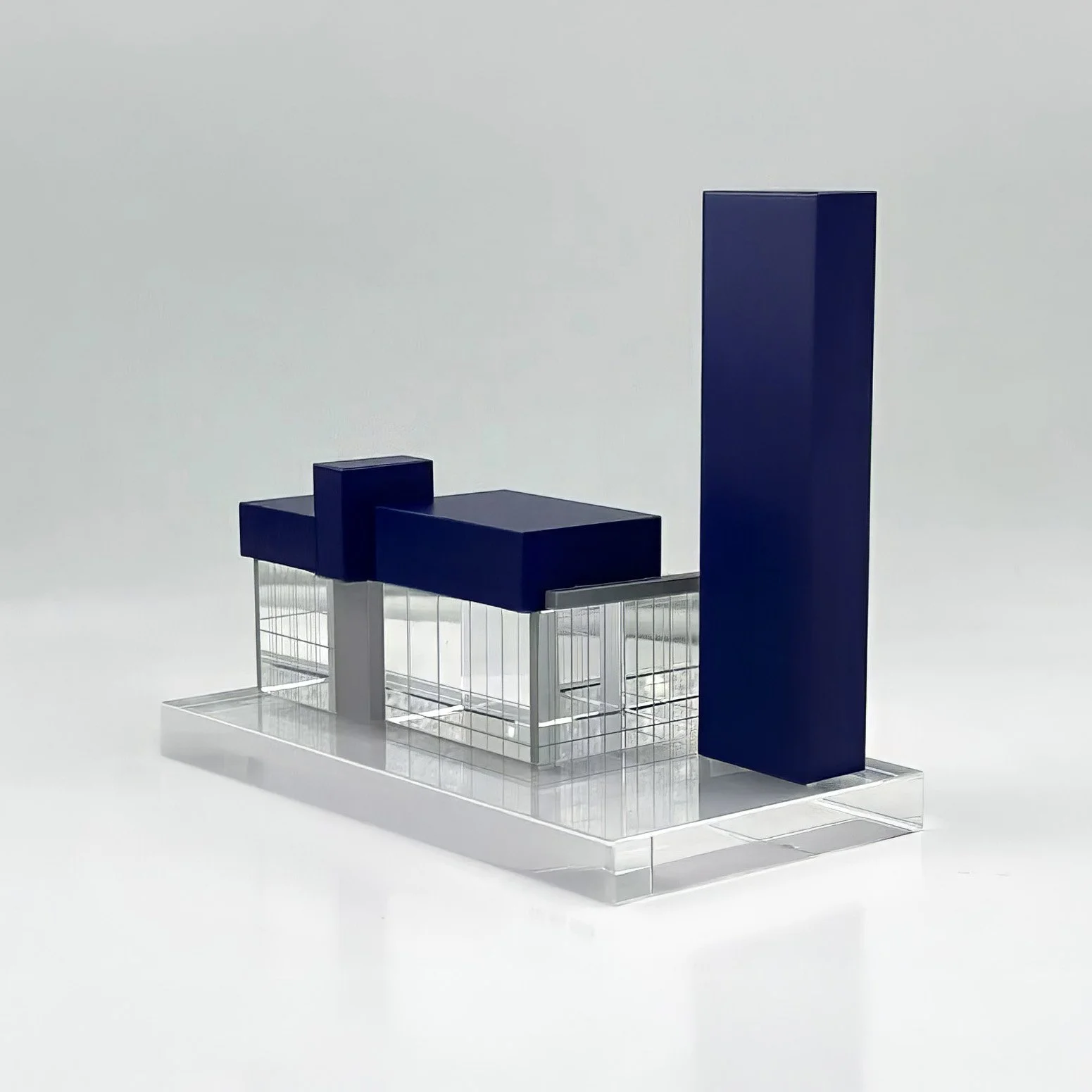
Some transactions call for a clean Lucite or crystal form with strong graphics and clear deal information. Others lend themselves to something more dimensional: a miniature building, product replica, piece of equipment, industry symbol or sculptural form tied directly to the story of the transaction.
At Polaris, the project starts with what is being commemorated, not with a predetermined catalog shape.
The goal is to identify the defining idea, then choose the form, materials and production method that express it effectively.
Who Receives Deal Toys—and Why?
Who typically orders them: Investment banks and financial advisors, law firms, corporate development teams, private equity firms, real estate sponsors and other parties involved in a transaction.
Who typically receives them: Deal teams, senior executives, clients, legal and advisory teams, board members and other key stakeholders.
Why they matter: A well-designed deal toy commemorates the achievement while creating a lasting reminder of the people and organizations involved. For advisory firms in particular, that makes it both a recognition piece and a subtle long-term expression of the relationship.
Materials Guide:
Lucite, Crystal, Resin, Metal and Wood
Lucite (PMMA)
Versatile, durable and especially well suited to layered graphics, embedded objects and dimensional elements. Lucite can be cast in custom shapes, tinted, printed, etched and combined with other materials, making it one of the most flexible materials for custom deal toys.
Crystal (optical/K9)
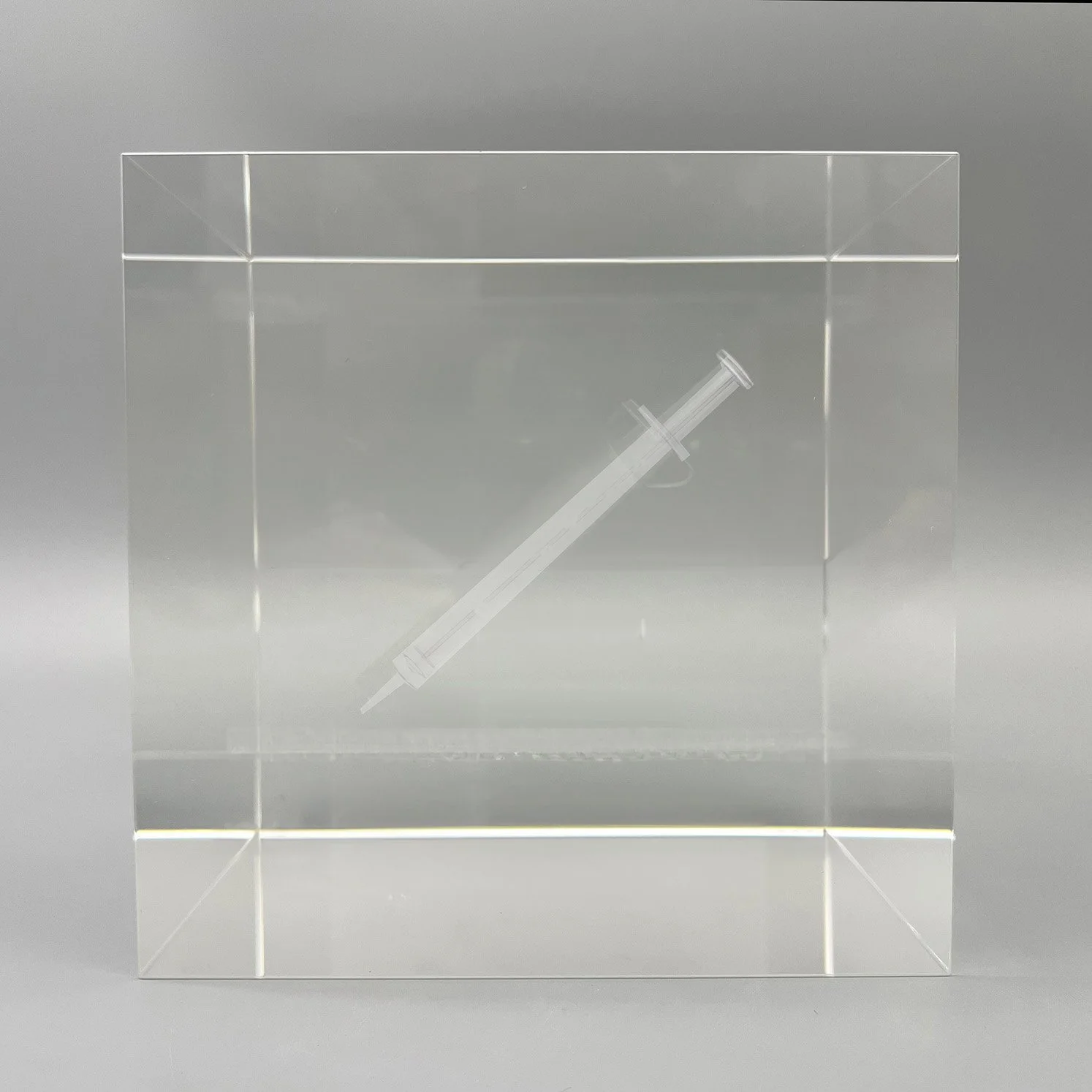
Clear, substantial and highly polished, crystal works especially well for deep sand etching, color-fill, bevels, facets and 3D subsurface etching. It creates a more formal, substantial presentation and is often chosen when clarity, weight and precision are important.
Resin
Ideal for fully dimensional custom forms such as buildings, vehicles, equipment, products and other sculptural replicas. Resin pieces can be molded, cast, painted and assembled in multiple parts to reproduce complex shapes and fine details.
Metal or Wood (often as accents/bases)
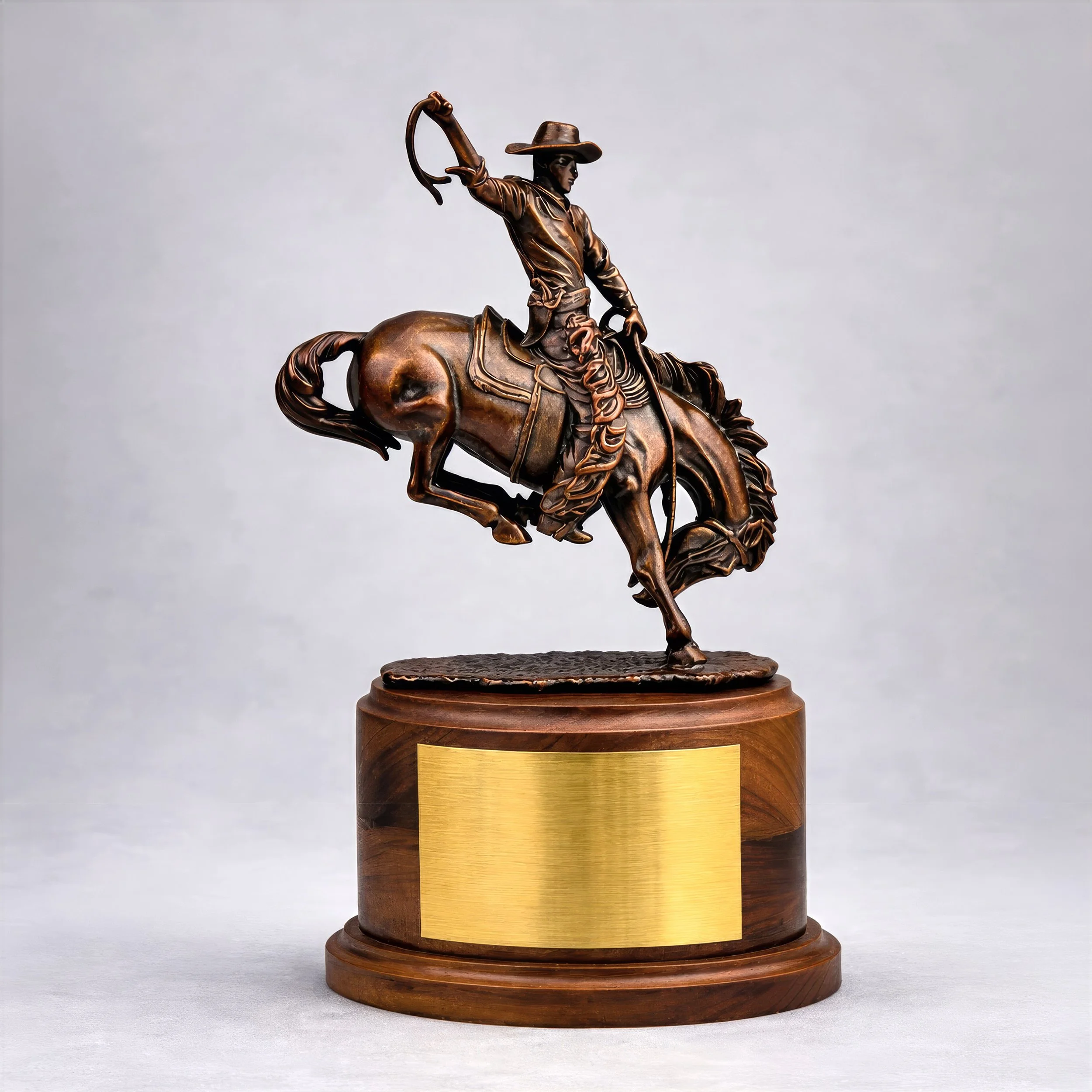
Both can be used as primary materials or combined with Lucite, crystal or resin. Metal adds weight, detail and permanence; wood adds warmth, texture and contrast. Both are especially useful in mixed-material designs.
Material should follow the idea. The right choice depends on the design, audience, budget, quantity and schedule. Each material has different strengths and production constraints, and understanding those tradeoffs is an important part of developing a successful piece.
How Deal Toys are Made
Small-batch custom manufacturing varies considerably by material and design:
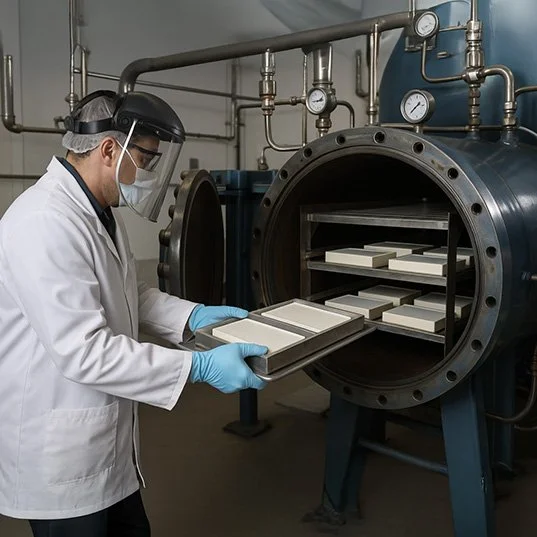
Lucite: Cast acrylic is poured into molds, often in multiple stages when artwork or physical objects are embedded. After curing, pieces are machined and hand polished.
Crystal: Crystal blanks are cut, beveled, polished and decorated using techniques such as sand etching, color-fill or 3D subsurface laser etching.
Resin: Custom forms may be molded, cast, painted and assembled in multiple stages, depending on the complexity of the design.
Metal: Components may be cast, machined, etched, plated or finished using a combination of processes.
Designing these pieces successfully requires more than creating an attractive rendering. Materials and manufacturing methods impose real constraints on dimensions, tolerances, finishes, assembly and cost.
Our team brings decades of hands-on deal toy design and manufacturing experience to that process, helping ensure that concepts are both visually strong and practical to produce.
The objective is the same throughout the process: create a finished piece whose design, manufacturing and execution are worthy of what it represents.
What Do Deal Toys Cost?
Pricing depends on the design, materials, quantity and complexity of the project. As a general guide:
Classic deal markers: about $80–$150 per piece
Dimensional or constructed designs: about $150–$225 per piece
Fully sculptural designs: about $200–$300+ per piece
Setup typically starts around $300 per order, regardless of quantity. More complex projects may require higher setup costs depending on the design and production method.
Shipping is quoted separately based on quantity, destination and the size and weight of the finished pieces.
These ranges are intended as broad planning guidance. Once we understand the project, quantity and budget, we can recommend an approach that makes sense for the transaction.
Do You Need a Prototype?
Clients work with Polaris because the process combines creative design with practical manufacturing experience.
Direct access to experienced designers throughout the project
Initial concepts typically developed within 24–48 hours
Designs created with real manufacturing methods and constraints in mind
Depending on the project, you may review the physical prototype in hand or approve the prototype from detailed photographs. In some repeat or straightforward projects, a separate client review may not be necessary, but the prototype is still produced as part of our internal quality-control process.
Full production begins only after the prototype has been reviewed and approved as required for the project.
Timeline & Rush Orders
Initial concepts are typically developed within 24–48 hours.
Once the artwork is approved, many projects require approximately 3–4 weeks for prototyping and production. More complex sculptural designs, custom models, cast metal pieces and other highly engineered projects may require additional time.
Shipping and delivery time are additional and depend on the production location, destination and shipping method.
If you have a closing dinner or other deadline, let us know at the beginning of the project. We can factor the deadline into the design and production approach from the start.
Why Clients Choose Polaris
Guidance on materials, budget, timing and production approach
A prototype or production sample for every factory production job
Project management from concept through production and shipping
Many clients return for future transactions and recognition projects, reflecting the value of a process built around responsiveness, design judgment and reliable execution.
Prototyping is an essential and integral part of small batch custom manufacturing, and every factory production job starts with a prototype or production sample before the full order is produced.
The prototype allows us to verify the materials, dimensions, artwork, finishes, proportions and overall execution before proceeding with full production.
Start a Project
You don't need a finished design to get started.
Send us the transaction or milestone, logos or other brand assets, approximate quantity, target date and anything else you think may be useful. We'll help determine the right design direction, materials and production approach.
Initial concepts are typically developed within 24–48 hours.