
The Judgment Behind Great Design
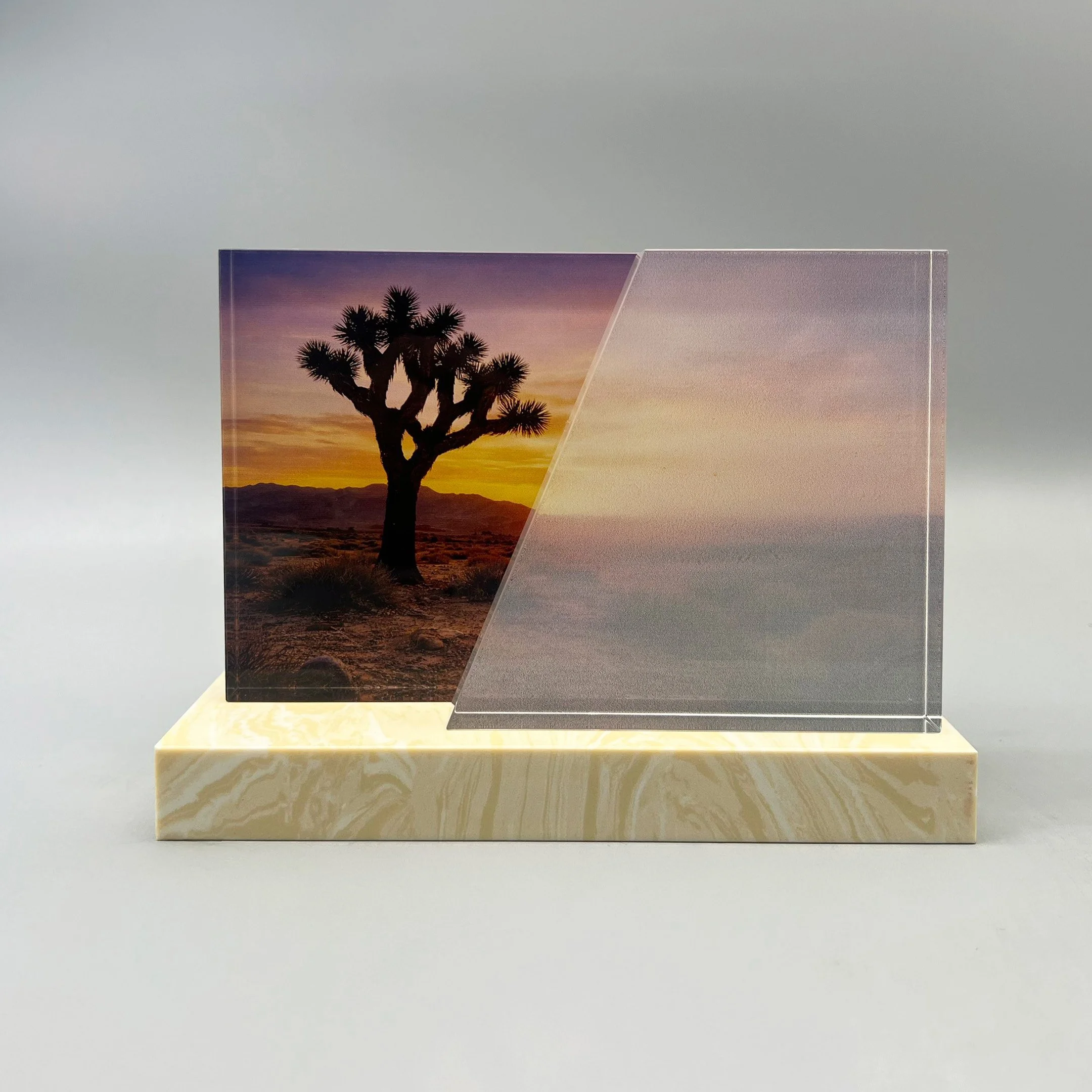
When people hear that we design custom deal toys, they often imagine the hardest part is coming up with creative ideas.
That's certainly part of the job.
But after designing commemorative awards for many years, I've learned that creativity is rarely the greatest challenge.
The real challenge is making dozens of decisions that all compete with one another.
Every Project Has Competing Priorities
A client might want a piece that's elegant, distinctive and highly detailed.
It also needs to fit within a budget.
It needs to ship safely.
It may have to accommodate multiple company logos, several recipient names and a significant amount of deal information.
And, of course, it needs to be produced on schedule.
None of those goals are unreasonable.
The challenge is that they often pull the design in different directions.
There Usually Isn't One Perfect Answer
One decision may improve the appearance but increase manufacturing complexity.
Another may reduce cost but weaken the visual impact.
A larger piece may feel more substantial, while a smaller one may be easier to display and ship.
These aren't problems with right or wrong answers.
They're tradeoffs.
Much of custom design involves understanding those tradeoffs and finding the balance that best serves the project.
Experience Changes the Conversation
Early in a project, clients often ask questions about materials.
Should it be crystal?
Lucite?
Metal?
Those are important decisions, but they're rarely the first ones we think about.
Before choosing materials, we're usually asking ourselves different questions.
What should people remember when they see this piece?
What made this transaction different?
What deserves the most visual emphasis?
What can we simplify?
Answering those questions makes the later decisions much clearer.
Creativity Needs Direction
An unlimited number of ideas isn't necessarily helpful.
Without clear priorities, creativity can become distracting instead of meaningful.
The strongest concepts usually emerge after we understand the story, the constraints and the purpose of the piece.
Only then can creativity solve the right problem.
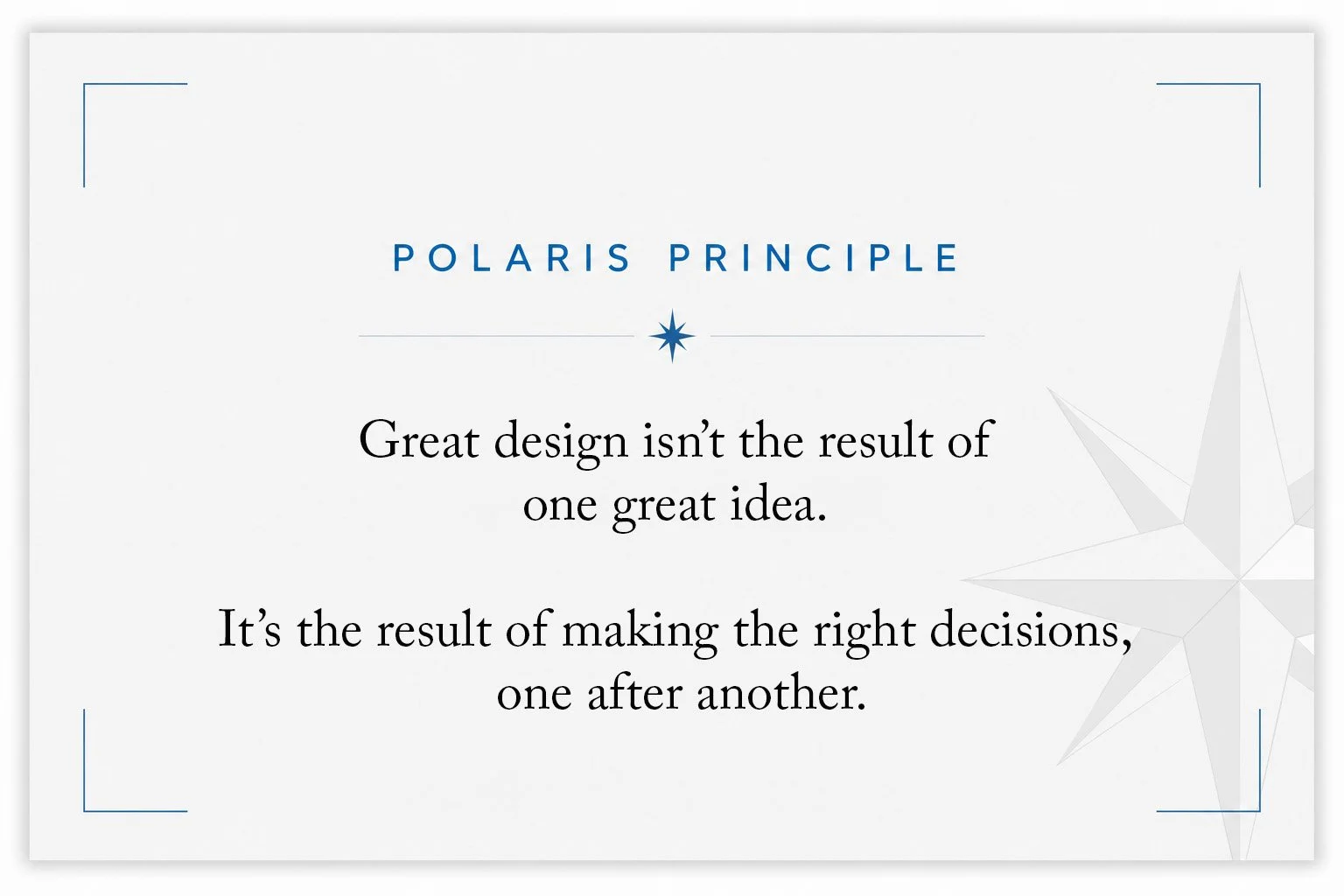
Great Design Is a Series of Good Decisions
When someone sees a finished deal toy, they usually notice the craftsmanship, the materials and the overall appearance.
What they don't see are the hundreds of small decisions that shaped the final result.
Every adjustment to the proportions.
Every element that was removed.
Every manufacturing consideration.
Every conversation about balancing cost, aesthetics and function.
Those decisions rarely draw attention to themselves.
That's exactly the point.
When they're made well, the finished piece simply feels right.
If you're planning a custom deal toy, we'd be happy to help you discover what matters most - and design a piece worthy of the achievement it represents.